


Director's Update: Native Power Building as a Health and Economic Intervention
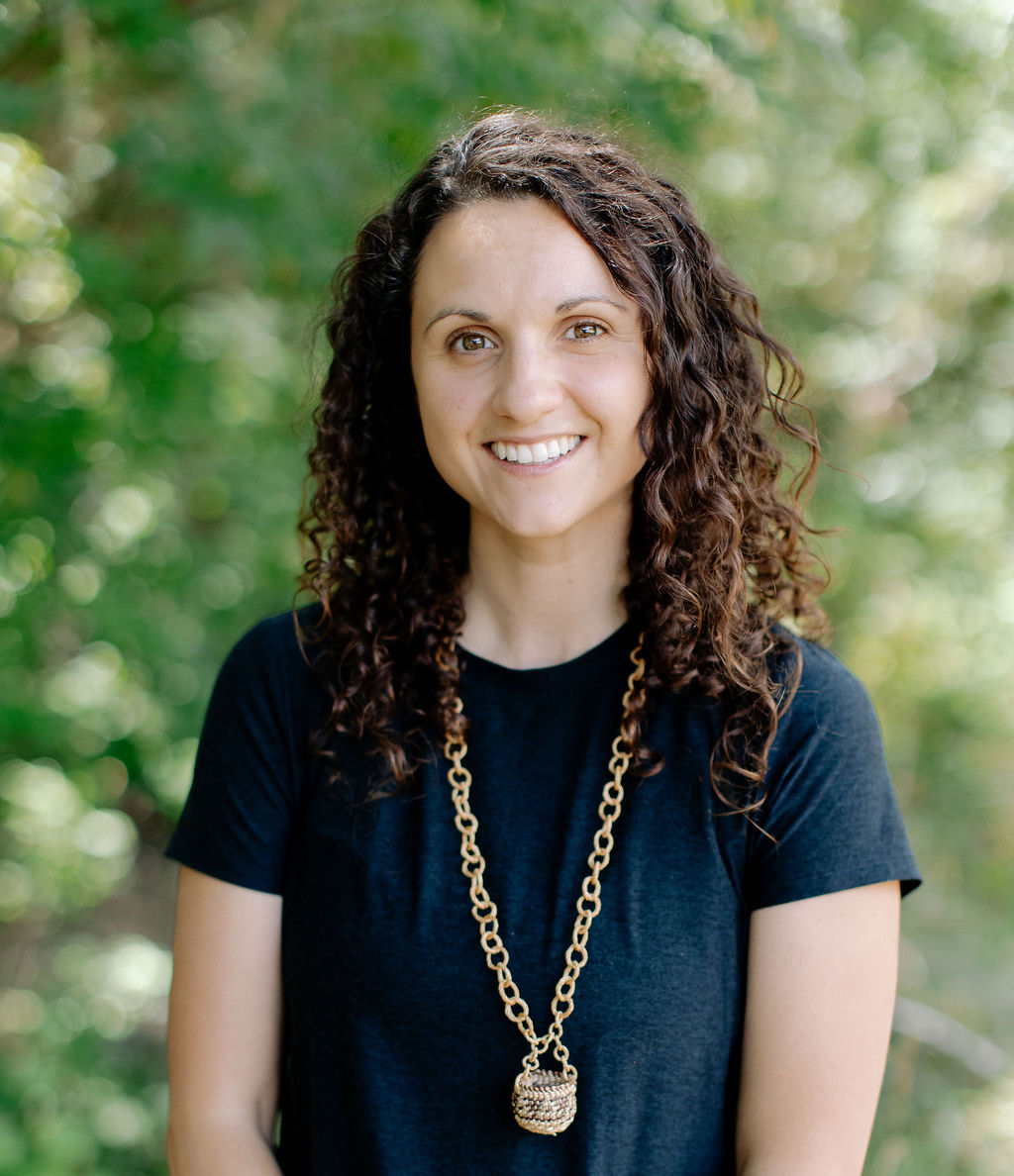
By Taylor Pennewell, Co-founder, Executive Director

At a recent Feather River Advocacy Project convening with the State Water Resources Control Board, we took a group photo on the roof of the California Natural Resources Agency building. As we gathered, several participants said some version of the same thing: I can’t believe we are here.
Simply entering that building felt like a major step.
For generations, decisions about the Feather River have been made in government offices and regulatory proceedings far removed from the Native people whose lands, waters, families, and ways of life are most affected by them. Many of our participants had never imagined themselves inside one of those buildings, much less arriving together, prepared to speak about water policy, Tribal sovereignty, and the future of the watershed.
That moment offered a glimpse of what becomes possible when cultural healing, political education, and advocacy are treated as interconnected work.
The Feather River Advocacy Project began as an intertribal truth and healing project. The idea was to bring Maidu people from across the watershed together to get the story straight: How have dams, reservoirs, relicensing processes, and water-rights decisions physically and politically separated once-connected families? How has a century and a half of engineering disrupted a way of life rooted in relationship, reciprocity, and wellness? How have these systems divided our people into jurisdictions and bureaucratic channels that isolate us, diminish our collective power, and keep us beholden to Western institutions at the expense of our physical, mental, spiritual, and economic health?
Centering the program around these questions helped us begin unpacking generations of trauma. It also allowed us to wind new paths toward one another: around, through, under, and above the dams that loom beside our communities.
Families reconnected. Maidu language was returned to the earth. Sacred places were occupied again against a backdrop of laughter. Plant medicines once again had their people there to recognize them, gather them, and sing to them.
This work has made something increasingly clear to me: infrastructure is never merely physical. The ways we design and govern communities determine whether people can remain connected, informed, economically secure, and able to shape their collective future. A household may have reliable water from the tap, hot water on demand, and food from around the world available year-round, but those conveniences can obscure what, and who, has been sacrificed to make them possible.

Two years into FRAP, we are seeing how community truth and healing can help people imagine a different future,and generate the energy needed to organize for it.
After two years of deepening our understanding of what it means to be in relationship with the Feather River as Maidu people, we are more committed and focused. Importantly, we are also braver.
Bravery is essential to organizing here. It can be frightening to support legislation protecting Tribal water rights. It can be frightening to demand that the Department of Water Resources or PG&E respect Tribal sovereignty and return stolen ancestors to their Tribes. It is frightening to stand before lawmakers, tell your story, and offer testimony.
But when you are held by your people, your language, your culture, and your Maidu-ness, you remember that you are speaking alongside your ancestors, for those who cannot be present, and for those who are still to come. Political organizing becomes more than participation in a government process. It becomes a responsibility, a blessing, and an ancestral calling.
At the convening, a respected Elder who has spent decades working on water issues spoke about the exhaustion and burnout that can come from carrying this work for so long. But looking around the room, they said they felt inspired and proud. A younger generation was carrying the torch forward, and they were arriving informed, prepared, and ready to lead.
Then we asked how many FRAP participants might want to pursue water advocacy professionally. Nearly 90 percent raised their hands.
That moment revealed another dimension of this work. Native power building is not only a cultural, political, and public-health intervention. It is also an economic intervention.
For generations, agencies, utilities, and conservation institutions have built careers and economies around managing Native lands and waters while Native people have been excluded from those professional pathways. Developing Native water advocates creates opportunities for our people to earn livelihoods through protecting their homelands. It also helps ensure that public investments, regulatory decisions, and stewardship resources are shaped by people with deep cultural, familial, and political responsibilities to these places.
That is why FRAP participants continue showing up, to committee meetings, cultural activities, advocacy gatherings, and conversations with agencies and lawmakers. Together, they are envisioning a stronger Maidu future: one in which food, fiber, medicine, and economic opportunity flow back to the people; the public knows who we are and stands with us; and Tribal governments are recognized as the original and continuing governments of these lands- not treated as peripheral stakeholders.
The healing and cultural work is not separate from organizing. It is what makes organizing possible. Because our people are held by stronger relationships, we can stand taller and act more boldly- even in the presence of systems, institutions, and dams designed to hold us back.
Seven years into Redbud’s work, our long-form programs now connect an alumni network of more than 300 people spanning dozens of Tribes, public agencies, and conservation and recreation organizations. Across these programs, we continue to see the same truth: when people have the knowledge, relationships, and courage to act together, they can begin changing not only individual outcomes, but the systems that shape community health, wealth, and power.

If you want to learn more about our upcoming trainings and programs, sign up for our newsletter to stay connected: https://www.redbudresourcegroup.org/


Deadshot IO is a perfect option for those players who enjoy competitive games but have no time for them. It takes a short period to play a number of rounds in such an entertaining game. There is enough space for skillful maneuvers during each of them to make each round exciting.
With simple controls and quick action, Retro Bowl makes every match easy to jump into, while smart decisions, accurate passes, and clutch plays keep the excitement growing from kickoff to the final whistle.